.webp?w=100&h=100)

Hey there! New to tea and feeling totally lost staring at all those "Oolong," "Pu-erh," and "White Peony" options? Don't worry, we've all been there.
When I first got into tea, I thought I needed fancy gear, some deep Eastern philosophy knowledge, and had to choke down bitter stuff just for the "health benefits." Couldn't have been more wrong. Here's the thing: all real teas come from the exact same plant. The only difference? How they're processed. And that's what actually decides the flavor, caffeine level, and how it might fit into your daily routine.
So forget the fancy terms and complicated origin stories. This is your no-BS guide to 10 super beginner-friendly teas: what they actually taste like, how they might work with your everyday life, and a few solid options to start with. No need to become a tea master – just find one that clicks with you.
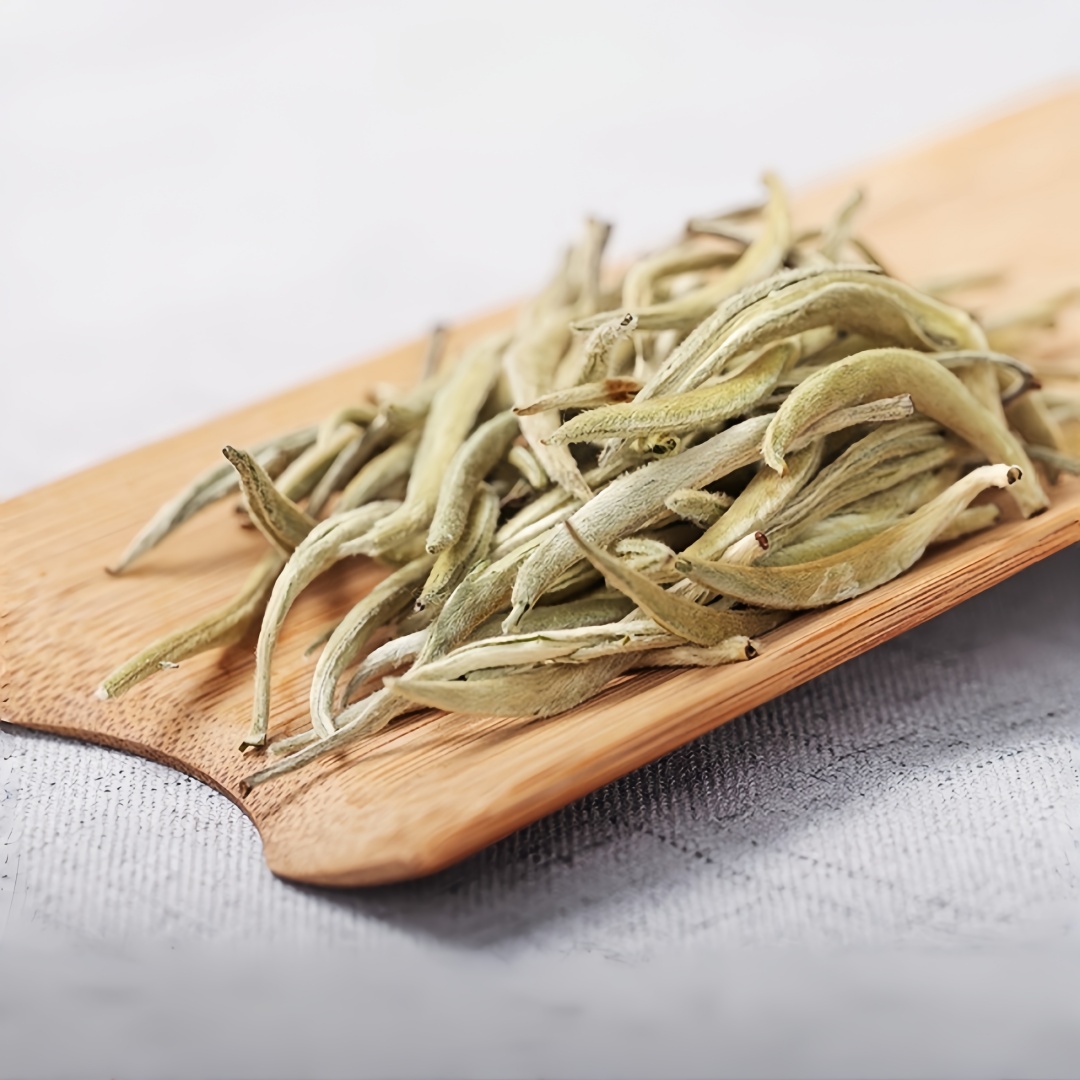
1. White Tea
-
What it tastes like: Think fresh, gentle, and naturally sweet – never bitter. It's the least processed of all, basically like sipping spring water with a whisper of flowers and honey. Super forgiving for newbies.
-
Best for: You want easy daily antioxidants without the fuss, or your stomach is sensitive to coffee and strong tea. It's crazy low in caffeine and gentle enough to drink anytime – morning, afternoon, even evening – without messing with your sleep.
-
Try these:
-
First-timer: White Peony (Baimudan). Fresh, with a little body. Hard to mess up, great hot or cold.
-
Treat yourself: Silver Needle (Baihao Yinzhen). All buds, super smooth, the classic for a reason.
-
Everyday sipper: Gongmei (Tribute Eyebrow). Gets even warmer and cozier with a little age. Good for brewing in a pot, won't break the bank.
-
-
Newbie tip: Seriously, it's almost impossible to make this bitter. Just use water around 185-195°F, steep for 2-3 minutes, and you're golden.
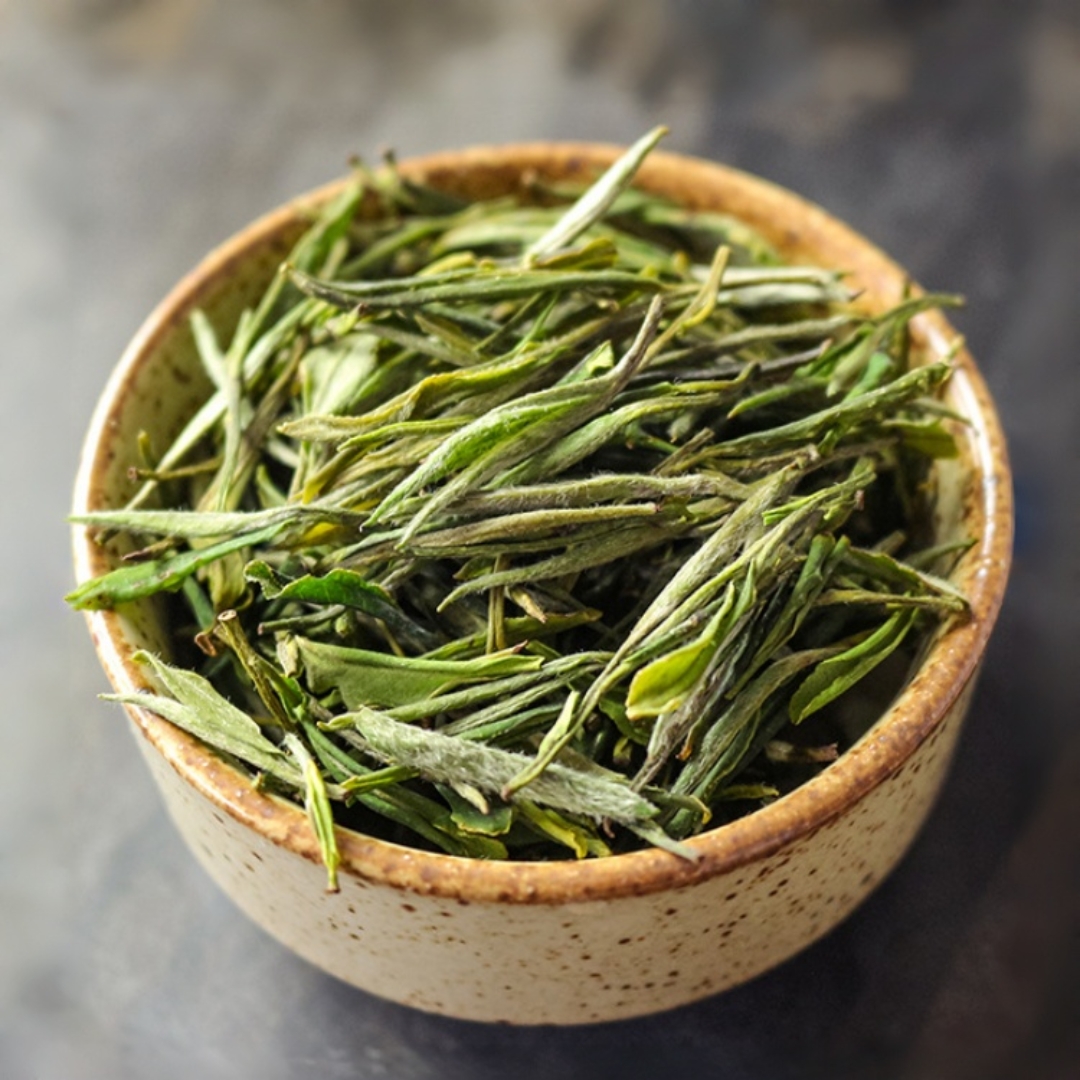
2. Green Tea
-
What it tastes like: Bright, fresh, kinda like a crisp veggie brothy note. Can be anything from sweet, chestnutty to light and floral. If you think it's just bitter, 99% sure it's how you brewed it, not the tea.
-
Best for: You want a clean, focused energy boost without the coffee jitters or afternoon crash. It's got caffeine, but also L-theanine, which chills it out. You get steady focus for hours, not the shakes.
-
Try these:
-
First-timer: Biluochun or Maofeng (Hairy Peak). Fruity/floral, sweet, smooth – almost no bitterness.
-
Sensitive stomach: Huang Jin Ya (Golden Bud). Packed with amino acids, making it super sweet and way milder than regular green tea. Okay even on an empty stomach.
-
The classic: Longjing (Dragon Well). That nutty, roasted flavor. Full-bodied. The go-to for a reason, great for sharing or just for you.
-
For bold flavor: Liu'an Guapian. No leaves or stems, just pure chestnut richness. Lasts forever, super satisfying.
-
-
Newbie tip: Please don't use boiling water and let it sit for 10 minutes. You'll get bitter mud and swear off green tea forever. Use 175-185°F water, steep for 1-2 minutes. Sip and adjust.
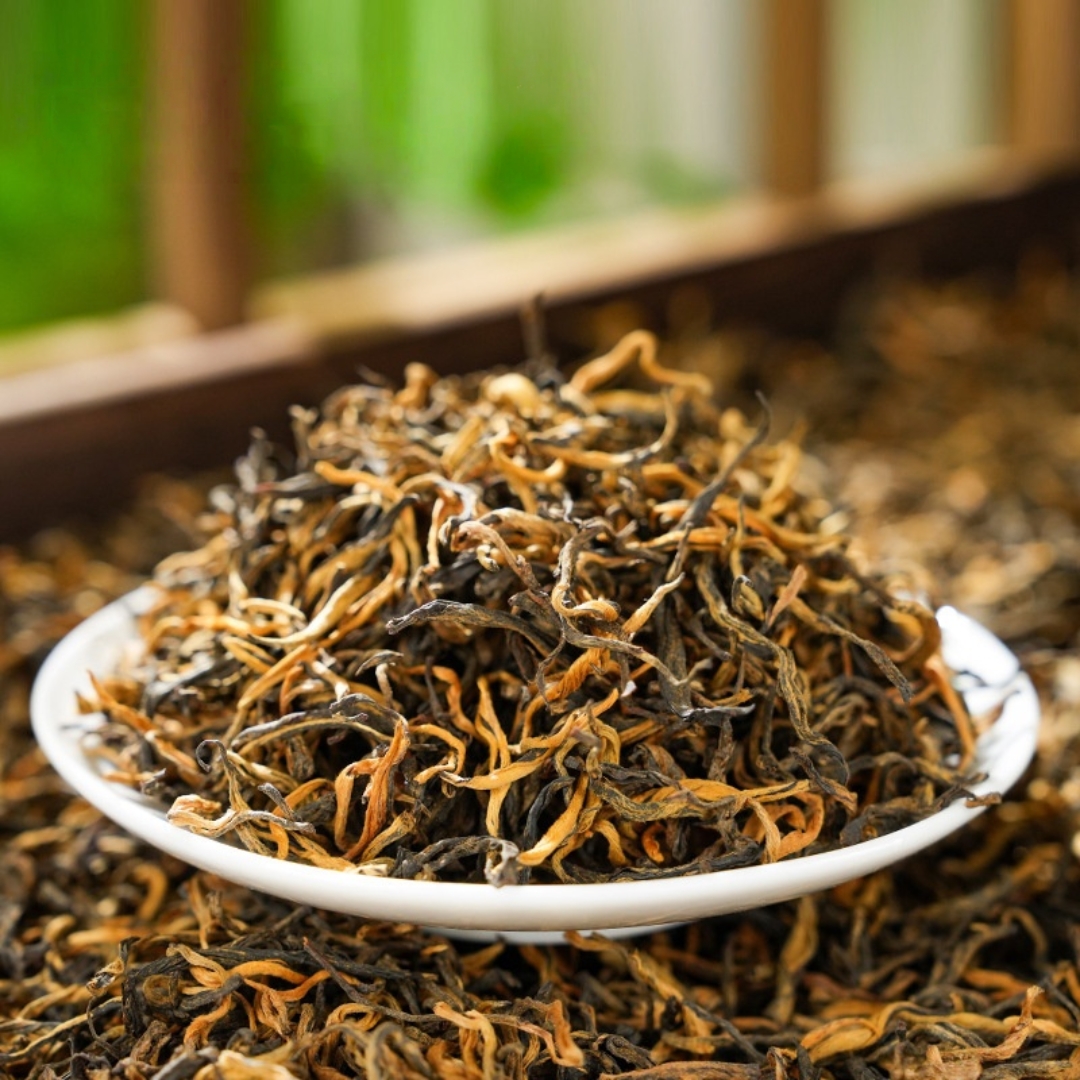
3. Black Tea
-
What it tastes like: Rich, full, naturally sweet with honey, fruit, or even a tiny bit of smoky vibe. It's the tea we grew up with. Smooth, not harsh, and takes milk/sugar like a champ.
-
Best for: Replacing your morning coffee ritual. It's got the most caffeine of all the real teas, so you get that wake-up call, but it's way gentler on your stomach. Great in fall/winter if you run cold.
-
Try these:
-
First-timer: Dianhong (Yunnan Red) or Lapsang Souchong. Dianhong is all honey and sweet. Lapsang can be super smooth (non-smoked) or have that unique campfire thing (smoked). Both are easy to love.
-
Little luxury: Jinjunmei (Golden Eyebrow). All buds, so it's creamy, sweet, floral, and never bitter. Your fancy starter black tea.
-
For something special: Keemun (Qimen). That famous "Keemun aroma" – think orchid and honey mixed together. Smooth, classy, world-famous for a reason.
-
Fun flavored: Rose Black Tea. Real rose petals with good black tea. Pretty, uplifting, and calming. Great for anyone.
-
-
Newbie tip: Coming from coffee? Steep it with boiling water for 2-3 minutes and drink it straight or add your usual milk. Familiar vibe, no coffee breath.
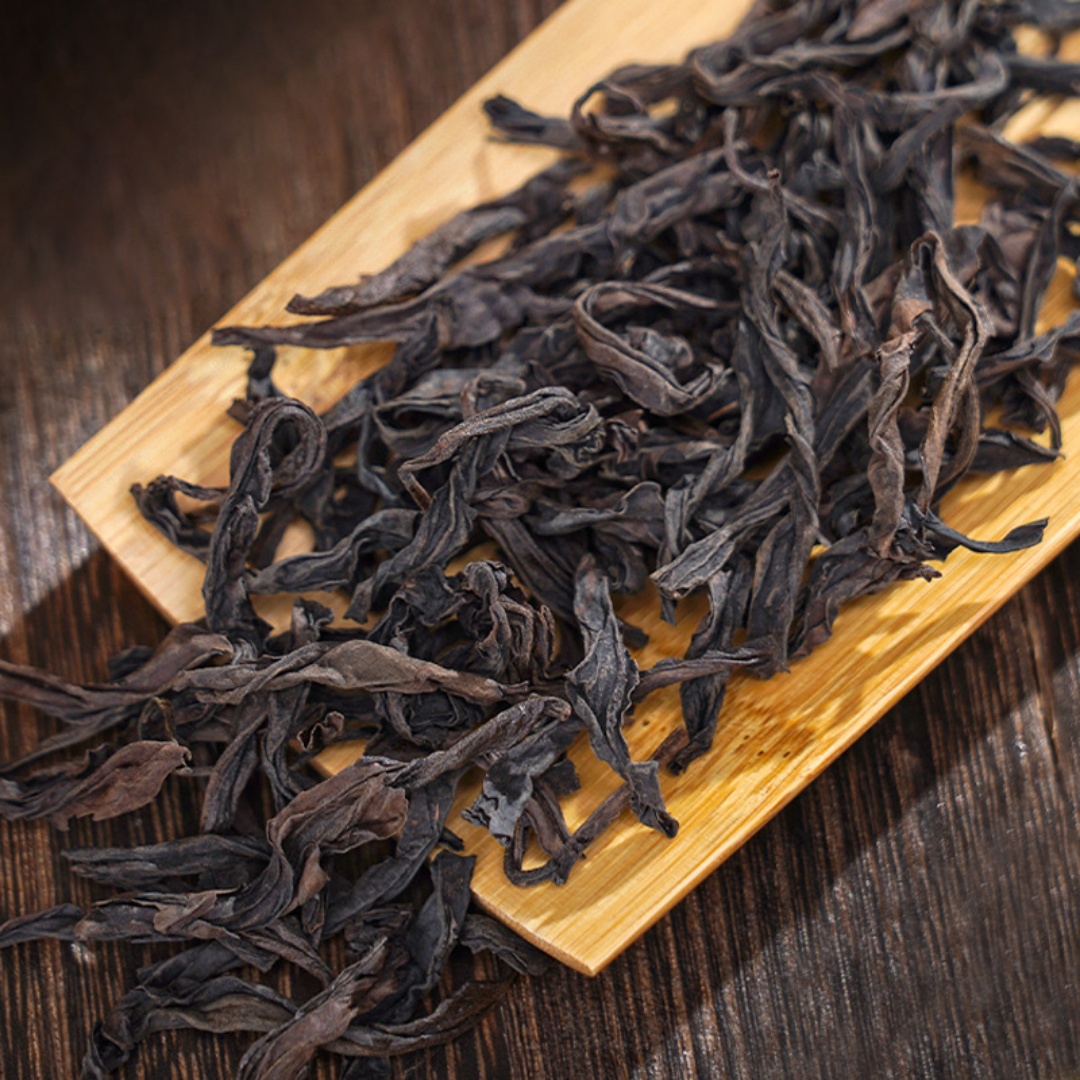
4. Oolong Tea
-
What it tastes like: The chameleon of teas. Can be light and floral like green tea, or rich and toasty like a dark roast. Never bitter, always aromatic and super satisfying.
-
Best for: Beating that 3 PM slump, or feeling gross after a heavy lunch. It's got a medium caffeine kick to wake you up without wrecking your sleep. Also the ultimate "digestif" – grab it after pizza, BBQ, or anything greasy.
-
Try these:
-
First-timer: Tieguanyin (Iron Goddess). That classic orchid smell, sweet, smooth. Super forgiving, you can steep it multiple times.
-
If you like cozy: Dongding Oolong. Light roast, cooked fruit notes, smooth, velvety. No weird edge.
-
For floral freaks: Fenghuang Dancong (Phoenix Single Bush). Insanely aromatic. Honey orchid, "Duck Shit" aroma (yes, really) – so many options. Fresh, sweet, layered.
-
The rockstar: Da Hong Pao (Big Red Robe). That "rock tea" character. Roasty and floral, full-bodied. Great for sharing or if you're getting into it.
-
Easy drinking: Peach Oolong or Osmanthus Oolong. Fruity/floral mixed with the tea. No sugar, just tasty. Zero learning curve.
-
-
Newbie tip: Don't jump straight into the super dark-roasted ones. Start with a lighter Tieguanyin or Dongding. Way easier on the palate.
5. Ripe Pu-erh (Dark Tea)
-
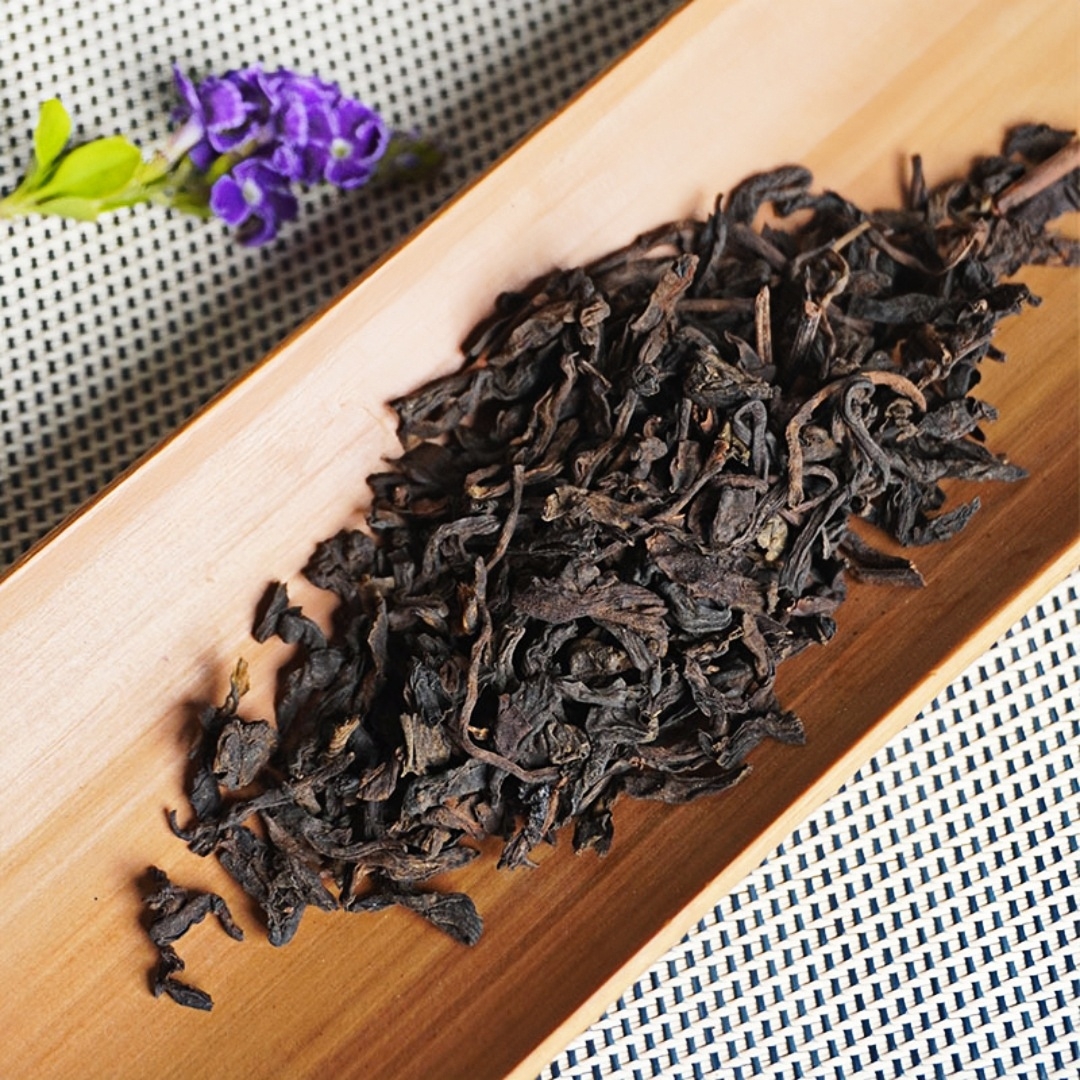
What it tastes like: Smooth, thick, and earthy. Think warm wood, sticky rice, dates, even a little chocolate. It's fully fermented, so zero bitterness. Goes down like velvet, super gentle on the stomach.
-
Best for: Everyday tummy TLC, especially after big meals. If you deal with bloating or want something you can drink on an empty stomach, this is it. Low in those harsh tannins. Perfect for holidays or when it's cold out.
-
Try these:
-
First-timer: Tangerine Peel Pu-erh. Mandarin peel + ripe pu-erh. The citrus cuts through the earthiness. Cleanses, comforts, super easy to like.
-
The classic: Ripe Pu-erh (Shu Pu'er). That dark red soup, sticky rice and date smell, smooth texture. Your daily driver.
-
Off the beaten path: Liubao Dark Tea. From Guangxi, has this unique betel nut and aged vibe. Known for being extra gentle on the gut. People in southern China have drunk it for ages.
-
One to watch: Bailiang Tea (100 Liang Tea). A classic dark tea brick from Anhua. Ages beautifully. Drink some now, save some for later.
-
-
Newbie tip: Don't let "fermented" scare you. It doesn't taste funky or sour. It's just mellow, slightly sweet, and clean. Super approachable.
6. Jasmine Tea
-
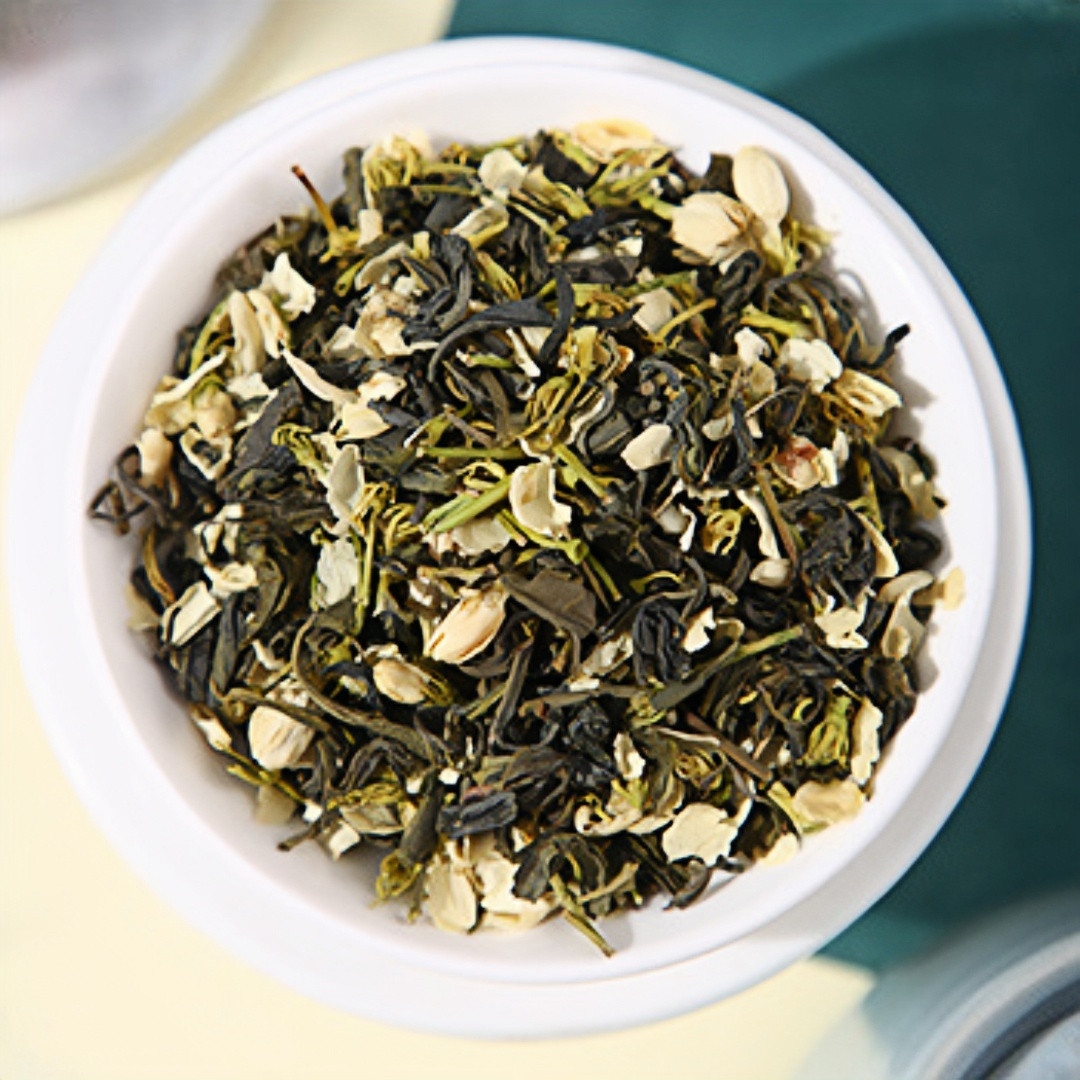
What it tastes like: Usually green tea scented with fresh jasmine flowers. You get that sweet tea flavor wrapped in pure, natural jasmine. No fake perfume here. Smooth, never bitter. The people-pleaser.
-
Best for: An instant mood boost and the ultimate crowd-pleaser. I always have a tin on my desk. Tough meeting? One sniff of that jasmine and I'm chill again. Medium caffeine keeps me focused without the anxiety. Honestly, never met anyone who didn't like it.
-
Try these:
-
The one: Jasmine Green Tea. Scented multiple times with real blooms. The flower and tea are just one thing. Fresh, sweet, perfect for work.
-
-
Newbie tip: Make sure it's scented with real jasmine flowers, not artificial flavoring. Huge difference. Real jasmine is soft and in the tea itself. Fake stuff smells harsh and can taste bitter.
7. Yellow Tea
-
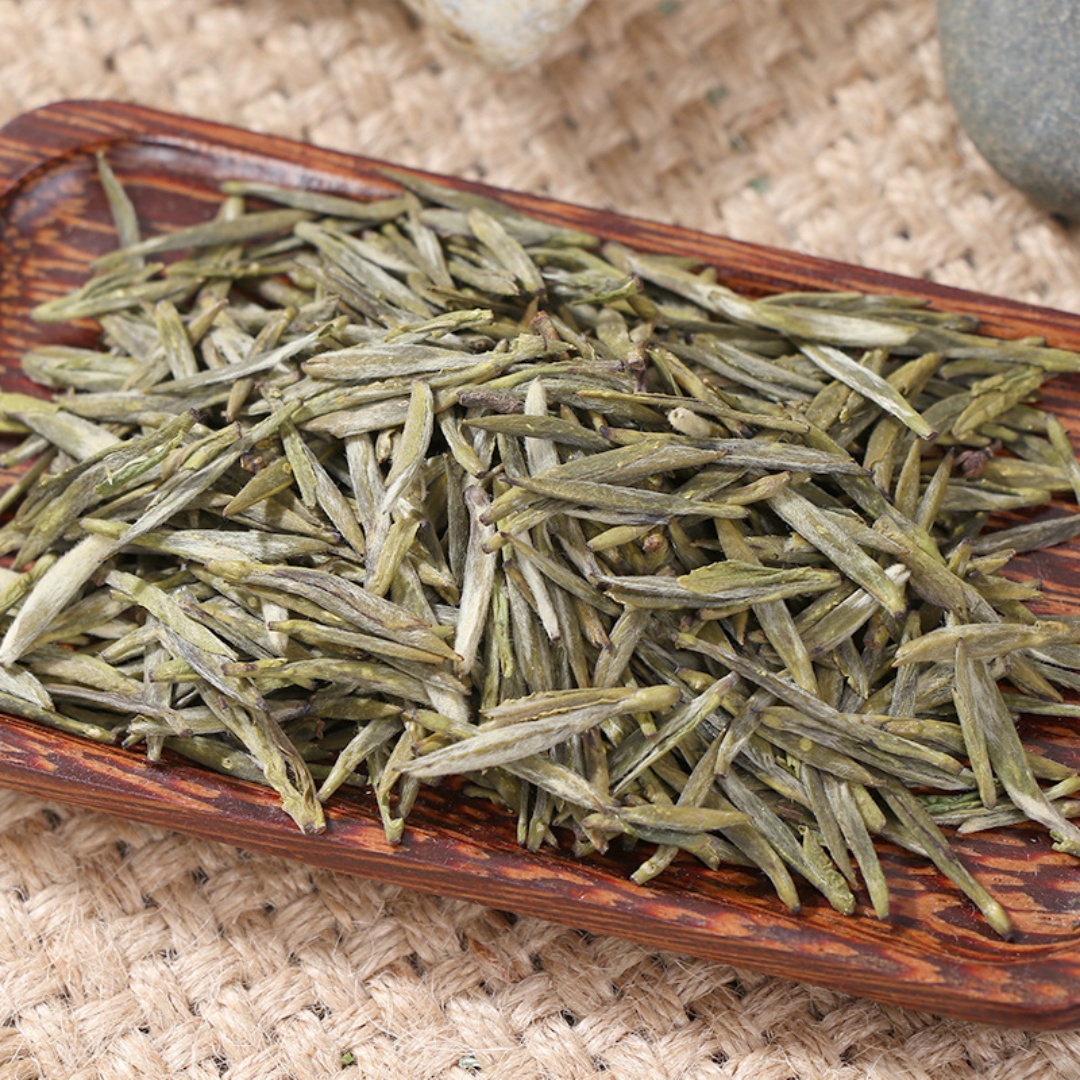
What it tastes like: The hidden gem. Made like green tea, but with an extra "sweltering" step. That little bit of fermentation kills the grassy taste and bitterness. Ends up super smooth, almost buttery, with a nutty sweetness. No bite at all.
-
Best for: You want the benefits of green tea but your stomach can't handle it. Keeps the good stuff from green tea, but the special process makes it super mellow. Even on an empty stomach, even for sensitive folks – no issues.
-
Try these:
-
The only choice: Mengding Huangya (Yellow Bud). The benchmark. Plump buds, creamy and sweet, with chestnut and orchid notes. Newbies can't make it bitter, sensitive stomachs are fine.
-
-
Newbie tip: Brew it like green tea – lower temp, short steep. But it's way more forgiving. Steep it a bit long? Still not bitter. Super beginner-friendly.
8. Caffeine-Free Herbal Tea (Tisane)
-
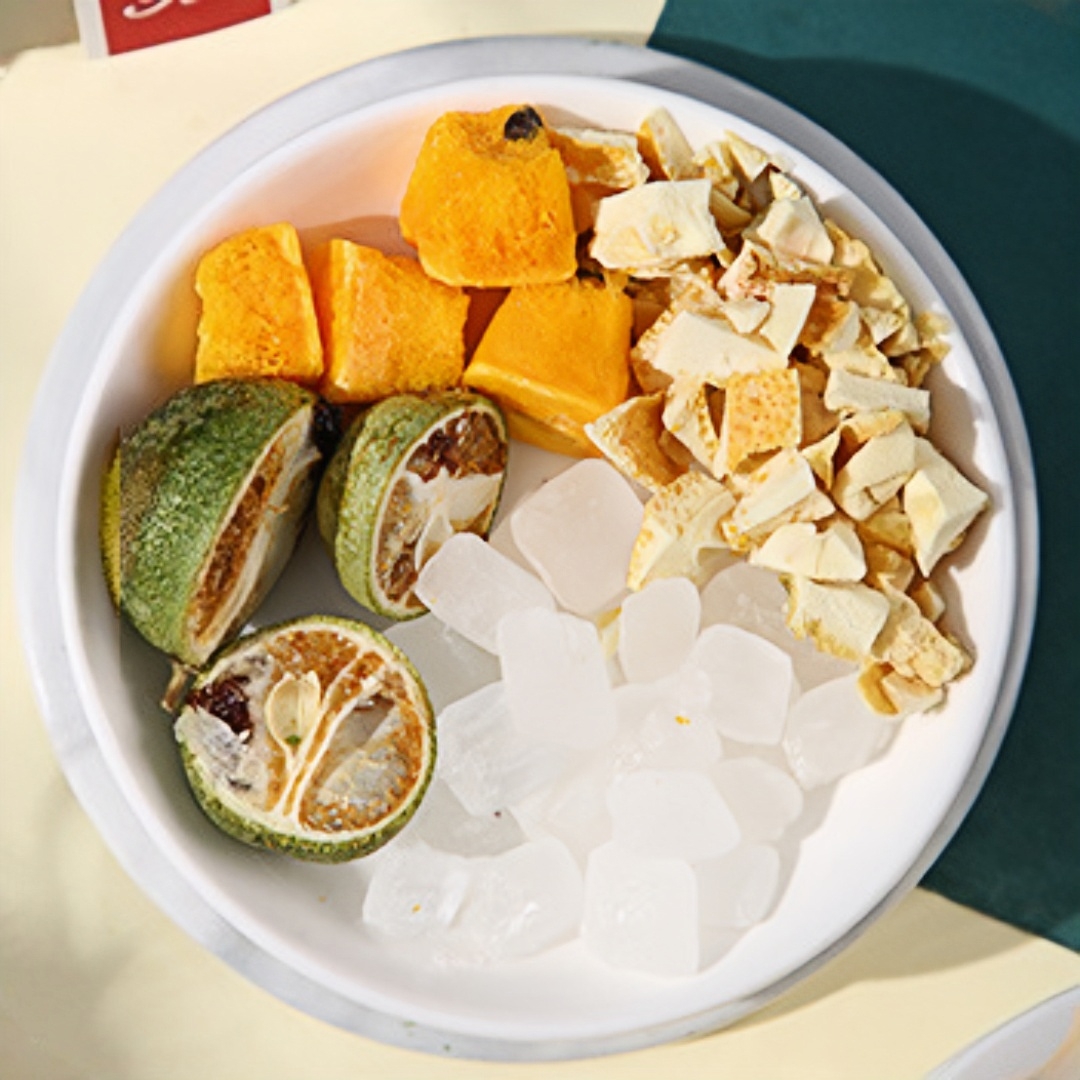
What it tastes like: Endless variety. No tea plant here, just herbs, fruits, grains, flowers. Can be tart, sweet, warm, rich. No caffeine, drink it whenever.
-
Best for: A bedtime wind-down, or if you're avoiding caffeine altogether. Perfect for a warm sip before sleep, soothing a scratchy throat, or just ditching sugary drinks. Impossible to mess up.
-
Try these:
-
Throat soother: Pear & Lily Bulb Herbal Tea. Pear, lily bulb, snow fungus. Sweet, smooth, amazing in cold months or if you talk a lot.
-
Digestive aid: Sour Plum Drink (Suān Méi Tāng). The classic combo: dark plum, hawthorn, tangerine peel. Tart and balanced. Perfect after a feast.
-
Gentle detox: Adzuki Bean & Coix Seed Herbal Tea. Lightly roasted beans and seeds with some herbs. Toasty, earthy, no "cold" energy. Easy daily sip.
-
Glow sip: Rose, Mulberry & Black Goji Berry Tea. Real rose petals, berries. Sweet, not sour. Good hot or cold.
-
Summer chill: Kumquat Lemon Passion Fruit Tea. Freeze-dried fruit mix. Tart, fresh, so much better for you than bottled stuff when iced.
-
-
Newbie tip: Zero caffeine, so no worries about sleep. Drink it an hour before bed. Boiling it on the stove brings out even more flavor and goodness.
9. Flavored Tea (Fruit & Flower)
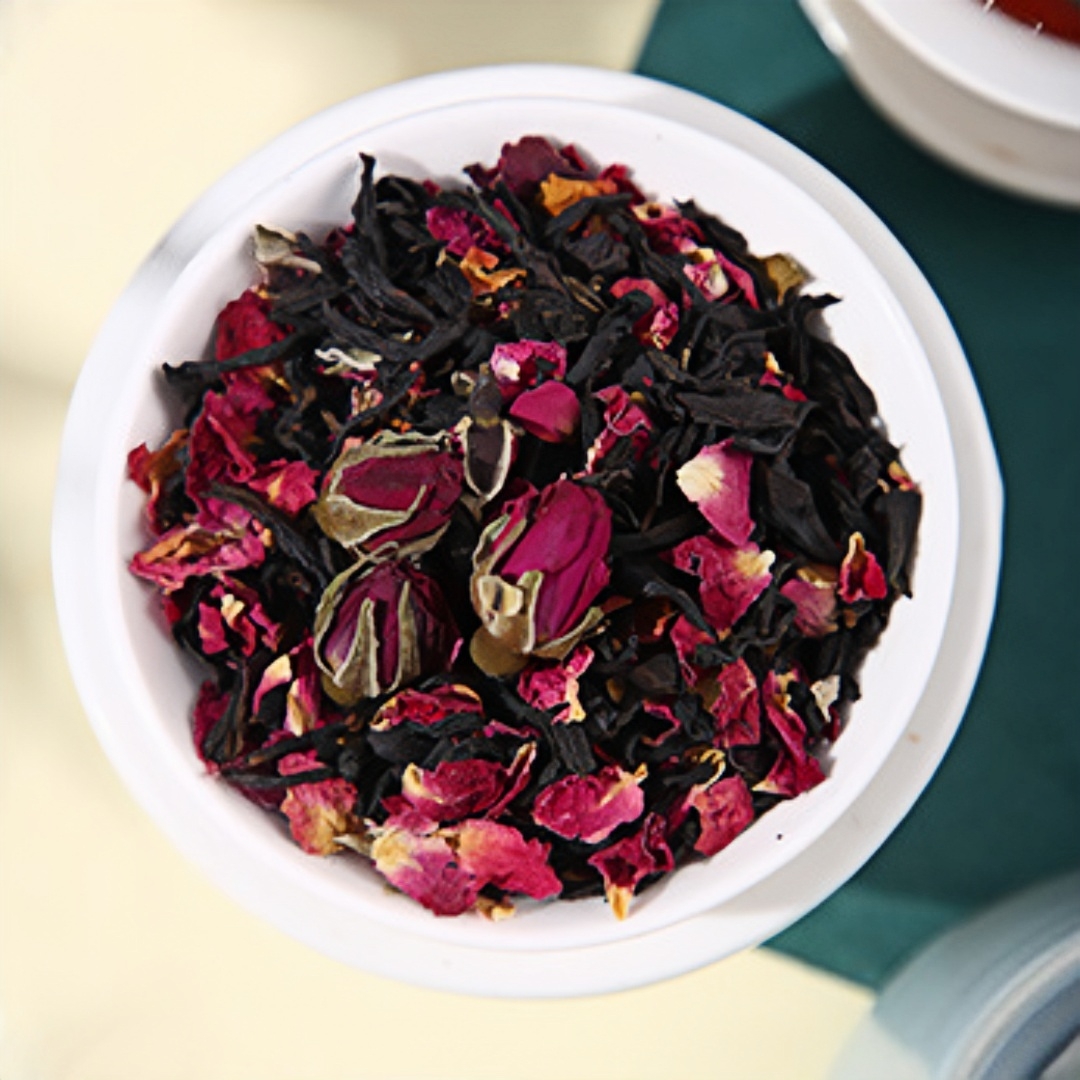
-
What it tastes like: The fun, friendly corner of tea. Good quality oolong or black tea blended with real fruit and petals. No added sugar, just naturally sweet and aromatic. No bitterness, feels like a little treat without the sugar crash.
-
Best for: You hate plain water, or you're totally new and think "real tea" might be too much. The perfect gateway. All the good stuff of the base tea, none of the intimidation. Amazing cold-brewed as a soda/lemonade replacement. Everyone loves it.
-
Try these:
-
Instant faves: Peach Oolong, Osmanthus Oolong. The fruit/flower and tea just work. Sweet, not cloying. Perfect hot or iced.
-
Zingy one: Kumquat Lemon Passion Fruit Tea. Tastes like fresh fruit salad. Iced in summer? Unreal.
-
Cozy floral: Rose Black Tea. Classic pairing. Amazing hot in cold weather.
-
-
Newbie tip: Try it cold-brewed. Just put it in room-temp water for 4-6 hours in the fridge. Add a slice of fresh fruit. Way better (and healthier) than store-bought bottles.
10. Raw Pu-erh (Sheng Pu'er)
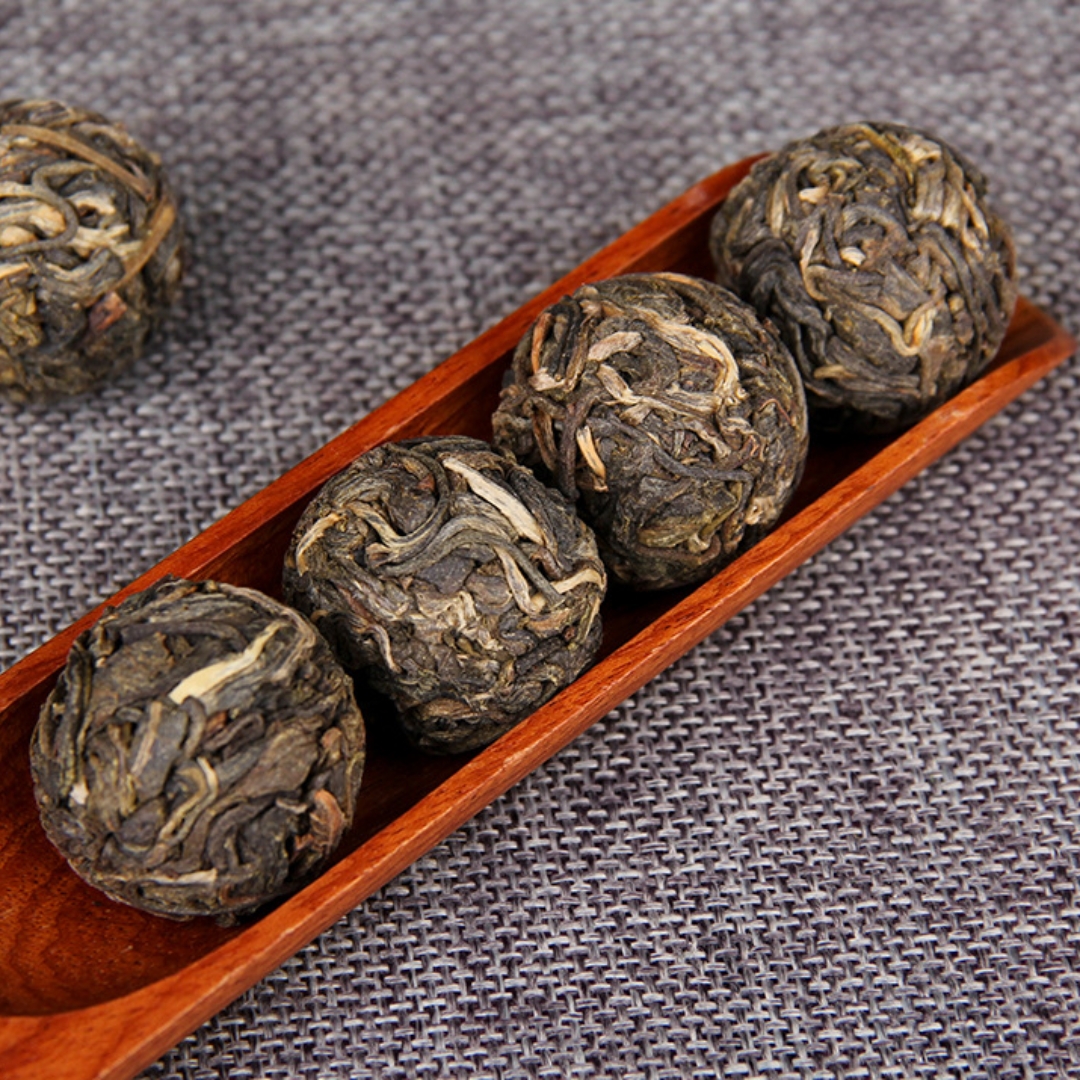
-
What it tastes like: Bright, fresh, with big fruity and honey notes. Makes your mouth water (in a good way). Young ones are fresh and sweet. Aged ones get smooth, thick, and the honey gets deeper. It's tea that evolves – "drinkable antique."
-
Best for: You love exploring complex flavors, or you want something to tuck away in the cabinet and watch change over the years. If you're a flavor adventurer, this is it. Drink it now, or in 5 years – totally different. Medium caffeine, good for mornings/afternoons. Also great after spicy food.
-
Try these:
-
First-timer: Raw Pu-erh (Sheng Pu'er). Look for one that's a couple years old. Way softer, no harsh edge. Easier on the new palate.
-
One to watch: Bailiang Tea (100 Liang Tea). Yes, again! It's dark tea and can be aged like raw pu-erh. Ages incredibly. Drink some now, save some to see what happens.
-
-
Newbie tip: Stay away from super fresh, "wild" raw pu-erh at first. Grab something that's 1-3 years old. Much smoother. And brew it fast with boiling water – in and out quick. Don't stew it, or it'll get bitter.
Final Word for Newbies

You don't need to buy 10 different teas today. Just pick 1 or 2 that fit your main need:
-
Morning coffee replacement? Grab a black tea.
-
Fighting the afternoon slump? Oolong's your friend.
-
Bedtime warm-up? Go for a caffeine-free herbal.
Tea isn't homework. You don't need to memorize regions or processes. It's just about finding a drink that makes you feel good and that you actually want to drink every day. There's no "right" answer. The best tea is the one you love.
“These statements have not been evaluated by the Food and Drug Administration. This product is not intended to diagnose, treat, cure, or prevent any disease.”